
Warehouse uptime depends on dependable forklift power. Aging fleets and hard duty cycles put real pressure on lead-acid batteries, and unplanned battery downtime stops product flow fast. Sound selection, charging discipline, and preventive maintenance keep power from becoming your biggest bottleneck.
This guide covers battery selection, charging protocols, a practical maintenance checklist, failure warning signs, propane-unit care notes, and why prevention beats emergency swaps.
Selecting the Optimal Battery
Match the battery to the job, not just the voltage tag.
Application Requirements
Class I electric sit-down trucks often need batteries that handle heavier loads and deeper discharge cycles. Class II narrow-aisle trucks and Class III hand pallet jacks typically need consistent power for lighter-duty, shorter-duration use.
Operating Conditions
Sealed AGM and gel cells generally handle heat, debris, and orientation changes better than flooded lead-acid. Flooded options, however, can allow 30–40% longer runtimes per charge, which suits intensive operation when watering discipline is solid.
Recharging Access
Reliable charger access can support batteries with lower reserve. Infrequent charging favors higher-capacity packs with longer runtime between charges.
Temperature Extremes
Lead-acid capacity and life can suffer in cold freezer environments. AGM designs with better thermal tolerance often handle temperature swings more gracefully.
Cost Considerations
Sealed AGM and gel cells usually cost more upfront but can last over twice as long as conventional flooded lead-acid, often delivering better value over roughly 8–10 year lifespans. Well-maintained flooded lead-acid commonly runs efficiently for about 3–5 years.
Future Trends
Lithium chemistries (including lithium iron phosphate and lithium nickel manganese cobalt oxide) offer longer life and faster charge potential than traditional lead-acid. Higher cost still limits some deployments, but adoption continues to grow.
Align chemistry, capacity, and charging access with your shifts and environment for better lifecycle value.
Following Proper Charging Protocols
Charging habits protect capacity as much as hardware choice.

When and How to Charge
Aim to deplete only about 20–30% between charges when your process allows. Deep discharge beyond 80% accelerates capacity fade.
Prepare Before Connecting
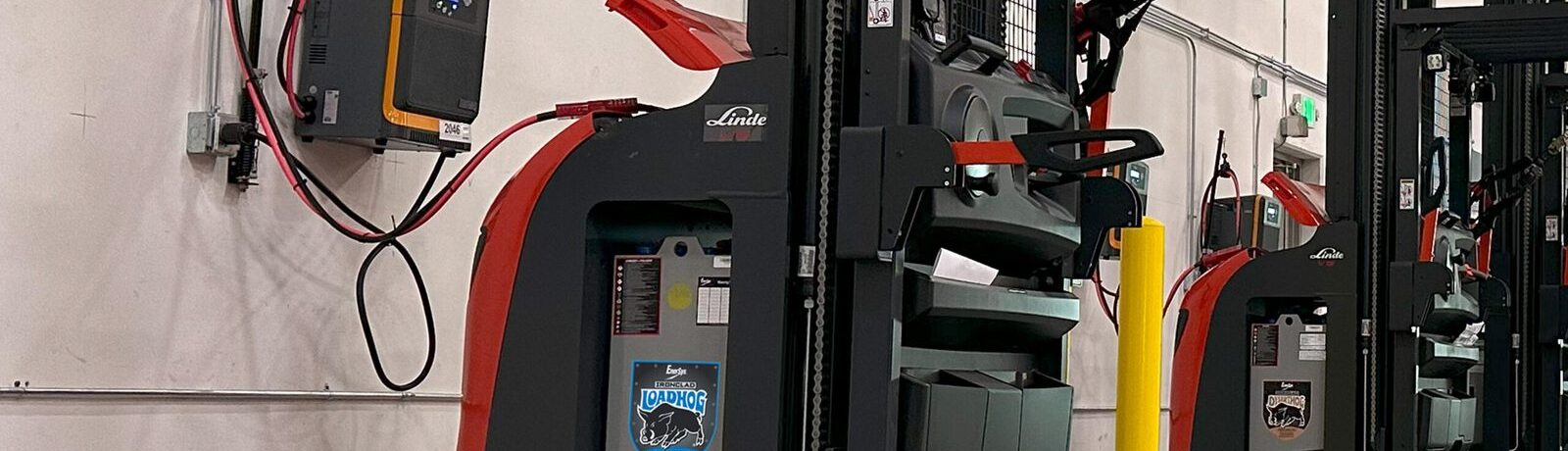
Inspect the battery and connections for corrosion or damage. On flooded lead-acid batteries, confirm the electrolyte covers the plates before charging, but save topping off with distilled water for after a full charge.
Select the Right Charger
Match charger type, voltage, and capacity to the battery. Multi-stage chargers support longevity when used as designed.
Monitor the Cycle
Follow charger instructions through start, progress, and completion, including equalization when required to balance cell voltages.
Exercise Safety
No sparks near batteries; never charge frozen units. Wear proper hand, eye, and face protection when handling batteries and electrolyte.
Forklift Battery Maintenance Checklist
Charging keeps energy available; routine maintenance keeps the pack healthy and flags failures early.
- Watering (flooded batteries): Inspect fluid levels after full charges. Refill with approved distilled or deionized water only. Low electrolyte exposes plates to air and causes permanent capacity loss.
- Clean connections: Remove terminal and cable corrosion with a wire brush and a diluted baking soda solution. Retighten connections to cut resistance.
- Inspect components: Check cases, cables, and connections for cracks or damage so you can repair before failure.
- Address leaks immediately: Cracked batteries can leak sulfuric acid. Contain it, neutralize with baking soda, and replace the battery. Do not keep a leaking pack in service.
- Analyze internal resistance: Use load testers and voltmeters to check charge acceptance and isolate weak cells that signal replacement.
- Keep detailed logs: Record maintenance checks, voltages, charge dates, watering, and conditions so trends show up early.
- Schedule preventive analysis: Thermographic imaging can reveal temperature abnormalities; load testing compares actual vs. expected capacity on a planned cadence.
Recognizing When Failure Looms
Watch for these warning signs:
- Reduced runtime or capacity: The battery won’t hold a full charge, often due to shorted or worn cells.
- Sluggish operation: Hesitant acceleration even at “full” charge.
- Overheating: Excess heat during use or charging signals risk.
- Corroded connections: White, flaky buildup that raises resistance and cuts power transfer.
Catch problems early with scheduled inspections, such as quarterly thermography and annual load testing, before a pack fails mid-shift.
Special Care Tips for Propane Forklifts
Electric fleets live and die by battery discipline. Propane trucks need their own routine:
- Monitor fuel level: Don’t run tanks dry; set a minimum swap level.
- Change oil and filters: Follow manufacturer intervals for engine life.
- Replace air filters: Restrictive filters overload engines; inspect often.
- Service spark plugs: Replace at indicated intervals for clean combustion and reliable starts.
The Power of Prevention
Train operators and techs, stick to charging and watering discipline, and invest in chargers and batteries that match your duty cycle. As you evaluate upgrades like lithium, advanced charging, or a fleet-wide power strategy, coordinate with Total Warehouse. We’ll help you assess options against real uptime and cost goals for your warehouse.
Quality equipment plus targeted training and clear protocols is how fleets keep electric trucks available when the dock is busy.
Conclusion
Proper battery care keeps electric forklifts productive. Charge correctly, water flooded packs on schedule, clean connections, and replace packs before they strand a critical move. Planning ahead costs less than emergency downtime during peak shipping.

Work With Total Warehouse
Total Warehouse is a proud dealer for Linde, Big Joe, UniCarriers, and Landoll. Need help with batteries, chargers, service, or the right electric trucks for your application? Call 833-868-2500 or contact us online.